
The Vertical Chemical Process pump has the same hydraulic design as any conservative centrifugal pump. It is different in that it is always placed in the vertical posture. Any type of liquid seal is required and a limit is given above the impeller and as such requires a small leakage to escape by the means of an overflow connection within the upper pump body and back to the suction vessel.
Bhagwati Engineering is one of the noted Vertical Process Pump Manufacturer in Ahmedabad, India. Our offered Industrial Pump meet industry norms and will be passed to you after we get satisfied with their overall working. We have a Expertised and professional team that follows a definite agenda to design, test and deliver the best products on time.
The best option method of installation will rely upon the pumping application. The most effective and most widely adopted approach is to mount the pump near the given supply tank at such a level that the impeller is flooded and the Vertical Chemical Process pump is consequently pumped when the liquid reaches a certain height in the tank. The pump will deliver liquid until the suction pipe becomes exposed, when it will run dry until the chemical level is restored to the point where re-printing can take place, this cycle of procedure may be repeated for an indefinite period.
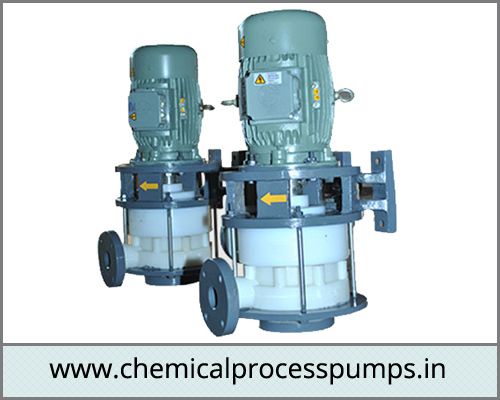
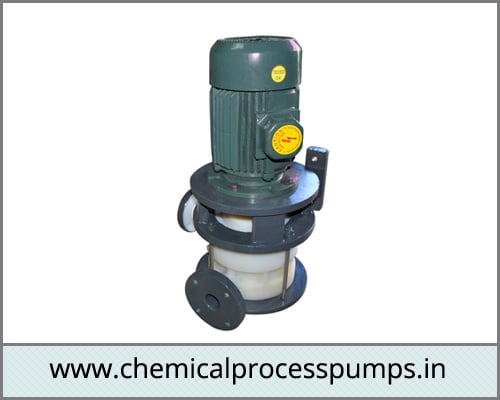
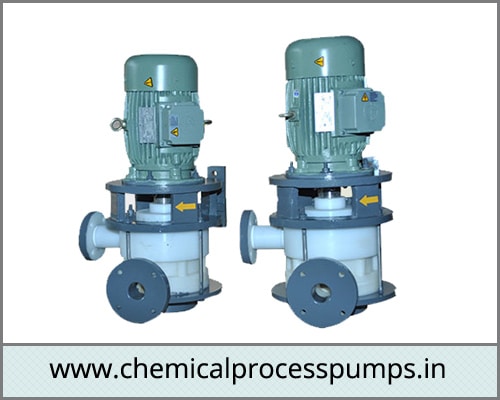
Operation Advantage of Vertical Process Pumps
- The noticeable main advantage is the removal of problems occur from the use of mechanical seal, placing box and internal putting.
- The capacity of pump to run crisped receives rid of one cause of break down which is often relevant to the human factor. this side is very useful in process need constant move of a rot liquid with a high degree of consistency electronic|. Disposal of chemical effluent.
- The Vertical Process pumps pushes lend itself to process incorporating programmed control of a pump discharge control device. The “powered leakage” functions as an main liaison.
- The main gains to be manufactured from the use of Vertical Chemical Process pump are in the area of maintenance and resultant lower in down time production losses. Typical maintenance on the Vertical pump is restricted to lubrication of the driving.
Range of Performance
Since Vertical Process Pumps do not have any packing rose bush or inside bearing, full advantage can be considered of available drive rates.. The pump may be run at 1450 and 2900 RPM correctly and a broad range of impeller diameter for each and every pump size permits a broad divide of presentation.
Key Features
- Vertical shaft design for space-saving installation
- Suitable for chemical liquid handling
- Corrosion-resistant construction options
- Reliable performance in industrial processes
- Designed for continuous pumping operations
- Easy integration with chemical process systems
Applications
- Chemical liquid transfer and circulation
- Acid and corrosive fluid handling
- Chemical processing plants
- Effluent and wastewater treatment systems
- Storage tank liquid transfer
- Industrial chemical processing applications
Common questions and answers
Vertical Chemical Process Pump pumps and handles chemical liquids in industrial processes. Because of its vertical nature, a chemical process pump is especially useful for applications where space constrains exist near the pump’s installation.
Chemicals Pumps are mainly applied to transfer liquid in chemical processing machinery, flow water treatment systems, storage tanks, chemical circulation systems, as well as some other industrial sectors.
Pump selection can be made for various chemical liquids according to their concentration, temperature and other working conditions. Material selection of pumps is critical in case of corrosive or aggressive fluids.
A vertical configuration can be useful to save floor space and is effective at pumping liquids from tanks or vessels. Selected materials and pump design can ensure reliable operation in chemical handling processes.
Selection should be based on the characteristics of the liquid, the flow rate, the pumping head, temperature, specific gravity, corrosiveness and the installation configuration. Based on those criteria, selection can be made for the type of pump construction.